---
title: LINK Dynamic Braking Simulation
description: Using LINK's Model-in-the-Loop (MiL) testing, single or multiple LINK dynamometers can be incorporated to operate and interact as the complete vehicle.
image: https://info.linkeng.com/hubfs/MARKETING%20USE%20ONLY/Campaign%20Files/2023/2023_Q1/EMB/waldemar-brandt-rHfTdK9YU2Q-unsplash2.png
---
- Follow us on:
-
-
-
-
[](https://www.linkeng.com/)
- [View our NewsLINK](https://www.linkeng.com/all-news/)
[](https://www.linkeng.com/)
- [View our NewsLINK](https://www.linkeng.com/all-news/)
LINK BRAKING SOLUTIONS
# Model-in-the-Loop Dynamic Brake Simulation
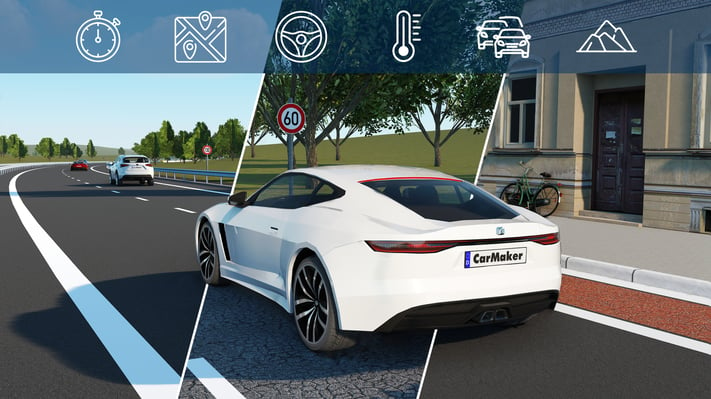
Model-in-the-Loop (MiL) enables the test engineer to incorporate the dynamic responses of the different chassis subsystems into dynamic braking using legacy or new brake dynamometers. With MiL, the test plant (test setup) includes computer models for the chassis dynamics, suspension, steering, tires, brake actuation, body aerodynamics, propulsion (with and without electric machines), and powertrain. Model-in-the-Loop testing can incorporate single or multiple LINK dynamometers, which operate and interact as the complete vehicle. Such test environments help you verify the braking system's behavior and response by interacting with models for the entire vehicle.
Key Features
- Assess interactions in real-time between the foundation brake(s) and the vehicle systems
- Early and rapid identification of the impacts of design changes using the automotive models via simulation, ahead of having the physical components available for testing
- Reduce development time and the costs of redesign by conducting front-loaded testing
- Minimize the additional complexity and costs typically associated with Hardware-in-the-Loop testing, which can be a second level of sophistication and integration of the test plant
- Dynamic friction and torque signals available to the automotive model such as; brake temperatures, dynamic friction coefficients, compliance and hysteresis of brake components, and tribological behavior inducing noise, vibration, harshness, corrosion, and brake emissions which influence the vehicle response and are not available for reliable modeling.
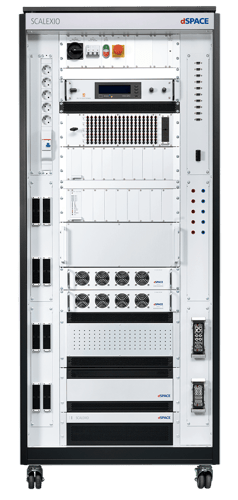
### Learn more about the machine by downloading our brochure! Fill out the form now.
© 2026 Link Engineering Company, All rights reserved.